
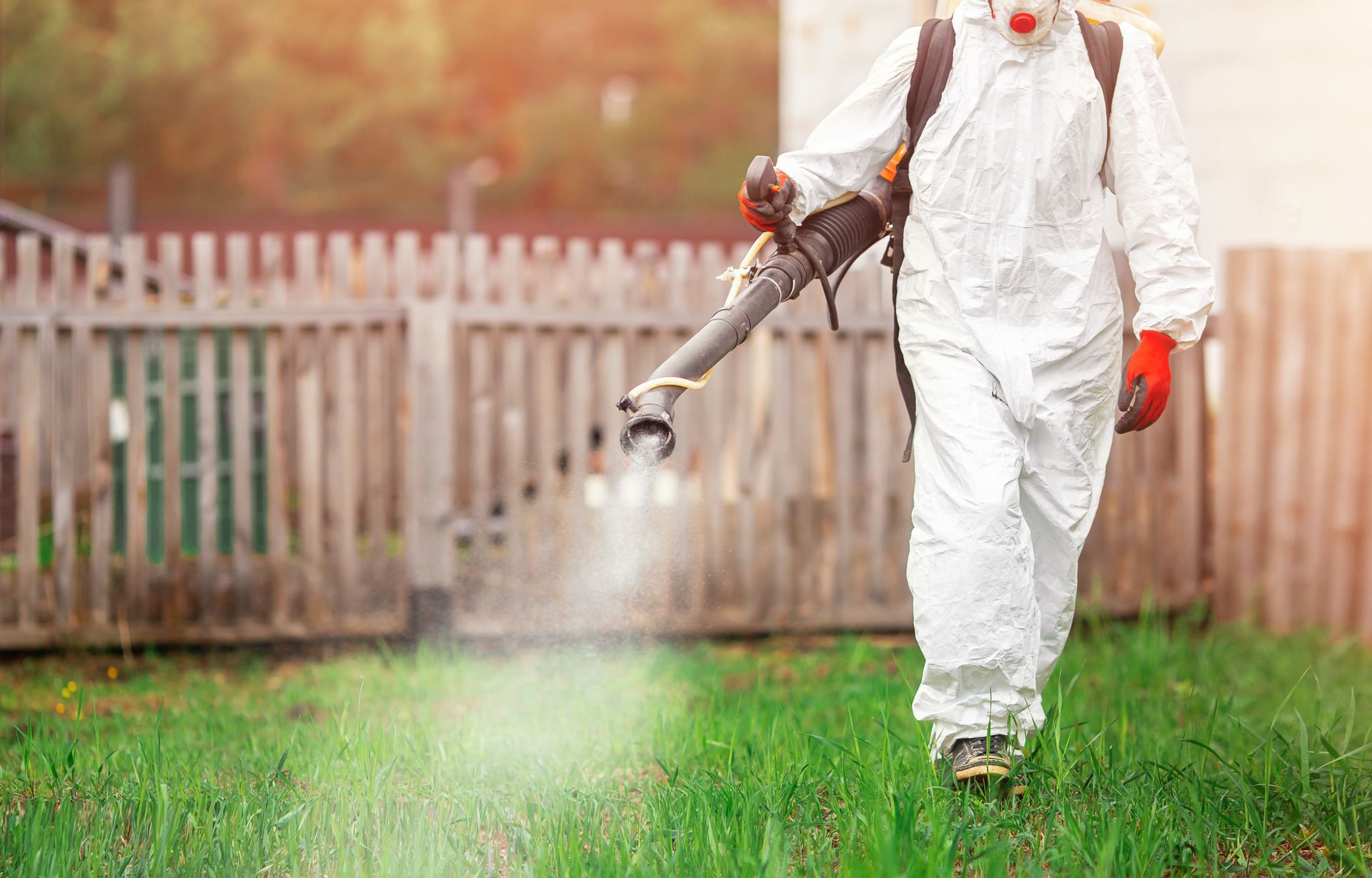
Lawns Protected From Insect Damage
Pesticide Treatments in Westbrook for lawns showing brown patches or thinning from pest activity
Certified Contracting LLC applies pesticide treatments for homeowners in Westbrook, Maine who are seeing damage to lawns caused by grubs, chinch bugs, or other insects that feed on grass roots and foliage. You may notice irregular brown patches that do not respond to watering, sections of turf that feel spongy or detach easily when pulled, or increased bird activity as they search for insects in the soil. This service uses targeted pesticide applications to reduce pest populations and allow the lawn to recover without further damage.
The treatment process begins with identifying the pest species and the extent of the infestation, as different insects require different active ingredients and application methods. Pesticides are applied using equipment that ensures even coverage across the affected areas, with attention to application rates that control pests without harming beneficial insects or stressing the grass. Timing is important, as many lawn pests are most vulnerable during specific life stages. Grubs, for example, are best treated in late summer or early fall when they are small and feeding near the soil surface, while adult insects may be targeted in spring or early summer before they lay eggs.
If you are noticing signs of pest damage in your lawn, a free estimate will identify the insect species and recommend a treatment schedule based on their life cycle.
What the Lawn Looks Like After Pest Pressure Drops
You will notice that brown patches stop expanding, and grass begins to green up and thicken in areas where pest feeding had caused thinning or dieback. The turf becomes more resilient underfoot, and sections that previously felt loose or spongy firm up as root systems recover. Certified Contracting LLC applies pesticides at rates designed to control the target pests while minimizing impact on the surrounding environment, so the lawn can recover naturally once the insect population is reduced.
Follow-up treatments may be scheduled if pest populations remain high or if a second generation of insects emerges later in the season. The pesticide used depends on whether the pests are surface feeders, root feeders, or both, and whether the lawn is under additional stress from drought or disease. Rain shortly after application can reduce effectiveness, so treatments are timed according to local weather patterns. The service does not include lawn repair, overseeding, or fertilization, though these steps are often recommended after pest control to help the turf recover more quickly.
Pesticide treatments are applied to lawns only and are not intended for use on ornamental plants, vegetable gardens, or flower beds. If pests are affecting non-turf areas, those require separate treatment methods or products. Most pesticides allow foot traffic within a few hours once the application has dried, but pets and children should stay off treated areas until the product has been absorbed into the soil or foliage.
Effective pest control depends on accurate identification, proper timing, and understanding how insects interact with grass and soil conditions common to Westbrook lawns.
Common Questions About Lawn Pest Control
What pests cause the most damage to residential lawns?
Grubs are the most destructive, feeding on grass roots and causing large brown patches, while chinch bugs and sod webworms damage the grass blades and create irregular thinning.
How do you know if lawn damage is caused by pests or drought?
Pest damage often appears in irregular patches and may include visible insects, increased bird activity, or turf that lifts easily, while drought stress is more uniform and does not show signs of feeding or insect presence.
Why are grubs treated in late summer instead of spring?
Late summer is when grubs are small and near the soil surface, making them easier to reach with pesticides before they grow larger and burrow deeper into the soil for winter.
When should pesticide treatments be reapplied?
Reapplication depends on the pest species and the product used, with some treatments lasting several weeks and others requiring a second application if a new generation of insects emerges.
What happens to beneficial insects during pesticide treatments?
Targeted pesticide applications focus on the pest species and the areas where they feed, reducing exposure to beneficial insects that live in other parts of the yard or below the soil surface.
If your lawn is showing signs of pest damage and watering or mowing adjustments are not helping, reach out to Certified Contracting LLC to schedule an inspection and receive a free estimate based on the type and severity of the infestation.