
Lawns That Stop Feeding the Weeds
Herbicide Treatments in Westbrook for lawns overtaken by broadleaf weeds and invasive growth
Certified Contracting LLC applies herbicide treatments for homeowners in Westbrook, Maine who are dealing with lawns where desirable grass is losing ground to dandelions, clover, crabgrass, or other invasive plants. You may see patches where weeds have spread faster than the grass can recover, or areas where mowing no longer produces a uniform appearance because different plant types are competing for nutrients and light. This service uses targeted herbicide applications to suppress weed growth and allow grass to fill in the cleared areas over time.
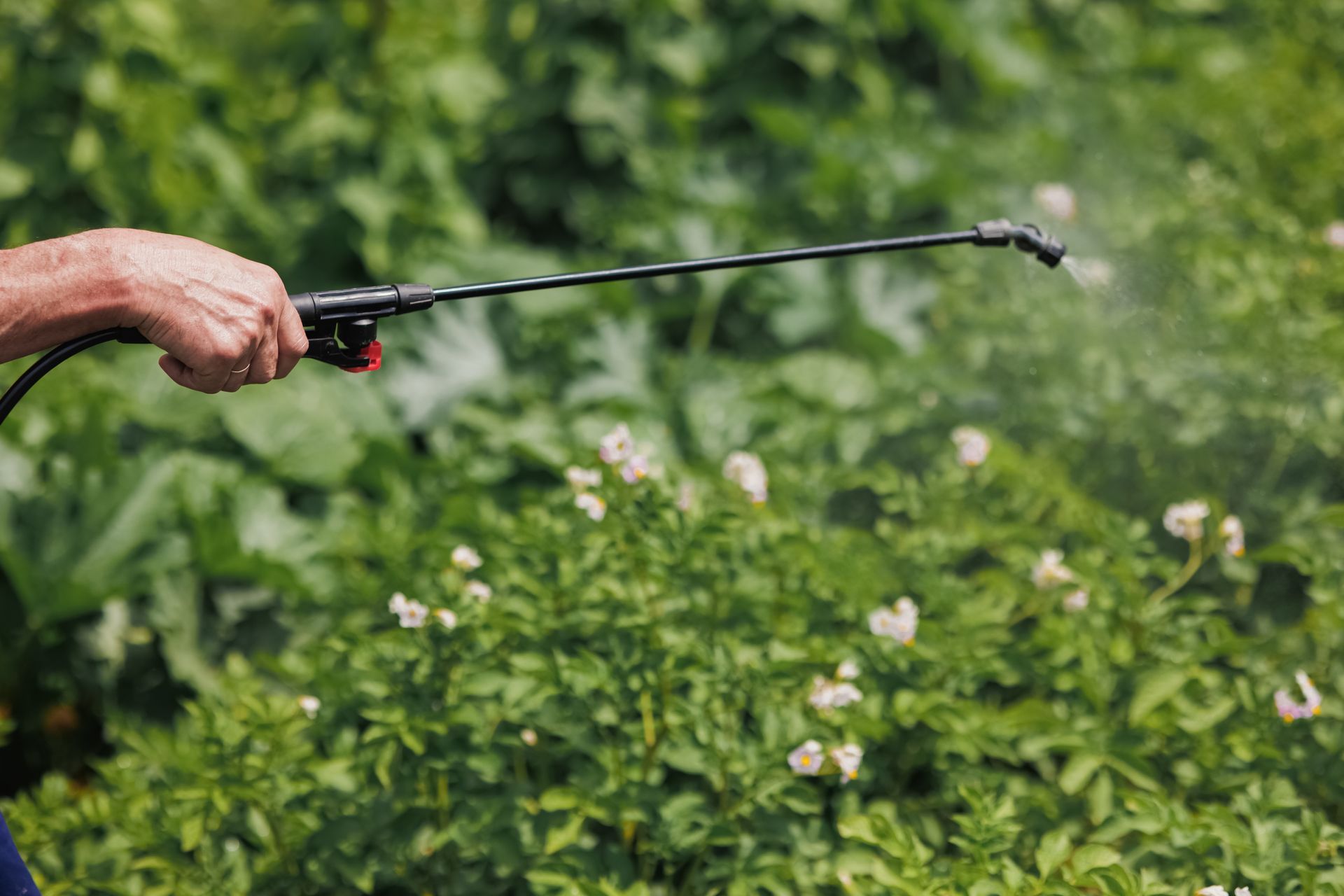
The treatment process begins with identifying the specific weed species present, as different plants respond to different active ingredients. Herbicides are applied using calibrated equipment that controls the rate and coverage area, ensuring that only the targeted weeds are affected while minimizing impact on surrounding grass. Timing is critical, as herbicides work most effectively when weeds are actively growing and temperatures are within the recommended range for application. In Maine, spring and early fall are the most effective windows for treating broadleaf weeds before they set seed or go dormant.
If your lawn is showing signs of weed encroachment, a free estimate will identify the weed types present and outline a treatment plan suited to the current season.
What the Lawn Looks Like After Treatment Takes Effect
You will notice that treated weeds begin to yellow and wither within one to two weeks, and the grass around them starts to thicken as competition for nutrients decreases. Over the following weeks, the lawn becomes more uniform in color and texture, with fewer interruptions from broadleaf plants or clumping growth. Certified Contracting LLC applies herbicides at rates that control weeds without stressing the grass, so the turf recovers quickly and fills in bare spots left by the dying plants.
Follow-up treatments may be scheduled if certain weed species require multiple applications or if new growth appears later in the season. The herbicide used depends on whether the weeds are broadleaf, grassy, or perennial, and whether the lawn is cool-season or warm-season grass. Rain within 24 hours of application can reduce effectiveness, so treatments are scheduled based on local weather forecasts. The service does not include lawn mowing, aeration, or fertilization, though these tasks are often recommended to support recovery and long-term health after weed control.
Herbicide treatments are applied to lawns only, not to flower beds, vegetable gardens, or ornamental plantings. If weeds are present in non-turf areas, those spaces require separate treatment methods or manual removal. Most herbicides are safe for foot traffic within a few hours of application once the product has dried, but pets and children should stay off treated areas until the initial drying period is complete.
Effective weed control depends on correct herbicide selection, proper application timing, and lawn conditions that favor grass over invasive species in Westbrook's climate.
Questions About Weed Control and Lawn Recovery
What types of weeds respond best to herbicide treatments?
Broadleaf weeds such as dandelions, clover, and plantain are highly responsive to selective herbicides, while grassy weeds like crabgrass require pre-emergent or post-emergent treatments depending on their growth stage.
How long does it take for weeds to die after treatment?
Most broadleaf weeds show visible decline within one to two weeks, with complete dieback occurring within three to four weeks as the herbicide disrupts root systems.
Why do some weeds return after treatment?
Weeds return when seeds remain in the soil and germinate after the herbicide has broken down, or when perennial weeds regenerate from root systems that were not fully eliminated by the initial application.
When is the best time to treat weeds in a Westbrook lawn?
Spring and early fall are ideal because weeds are actively growing and temperatures are moderate, which improves herbicide uptake and reduces stress on the grass.
What happens to the grass after weeds are removed?
Grass fills in the open areas left by dying weeds as competition for water and nutrients decreases, resulting in a denser and more uniform turf over the following weeks.
If your lawn is being overtaken by weeds and routine mowing is no longer keeping up, contact Certified Contracting LLC for a property assessment and a free estimate based on the size and condition of your turf.